
Why Combat in Diablo II Feels Like a Dance
January 3, 2026
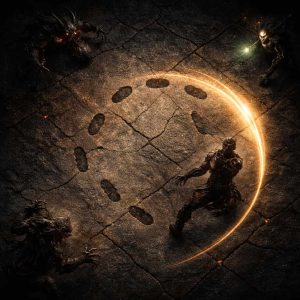 Combat in Diablo II doesn’t feel like button-mashing. It feels like movement. Like timing. Like stepping forward, pulling back, and committing only when the moment is right. Many action RPGs chase spectacle through speed or effects. Diablo II takes a quieter route. It turns every fight into something closer to choreography, where Diablo 2 items quietly shape how you position, react, and commit. The game never asks you to be flashy. It asks you to be aware. That awareness is what gives combat its distinctive rhythm.
The Weight of Every Action
Pacing is the foundation. Diablo II is not fast by modern standards. Attacks have weight. Spells have wind-ups. Recovery frames matter. When you swing or cast, you’re exposed for a moment. You can’t cancel out of bad decisions. You can’t spam your way to safety.
As a result, you learn to move between actions. Step in. Strike. Step out. Pause. The rhythm forms naturally, not because the game lectures you about caution, but because impatience gets punished quickly.
Footwork Over Firepower
Movement is not filler between attacks. It is the combat. Characters commit to directions. Stopping to attack is a choice, not a default. Enemies reinforce this constantly.
Archers force you to strafe. Chargers punish poor spacing. Casters control zones and deny comfort. Even weak enemies become dangerous when they surround you. Standing still is rarely safe. You’re not just fighting enemies. You’re managing space.
This is where the “dance” feeling becomes clear. You’re adjusting position as often as you’re dealing damage. Sometimes more often.
Enemies That Teach You the Steps
Every enemy type adds a new wrinkle to the rhythm. Fallen scatter and regroup, disrupting flow. Goatmen rush aggressively, testing your ability to hold ground. Undead advance steadily, daring you to mistime a retreat.
These behaviors are simple, but they stack. Groups behave differently from individuals. Terrain changes everything. You learn to pull enemies into narrow paths. You know when to kite and when to turn and commit. The game doesn’t spell this out. You feel it through repeated encounters.
Skills as Situational Tools
Diablo II’s skills rarely solve every problem at once. Most are situational by design. A Sorceress alternates between control, repositioning, and damage. A Barbarian weaves shouts, movement, and strikes. A Paladin balances aura choices with positioning.
There’s no single button that carries every fight. You’re encouraged to vary your approach based on what’s happening on screen. That variation keeps combat from collapsing into routine.
Resources Shape the Tempo
Early on, stamina limits how long you can run. Mana constrains spell usage. Potions help, but they don’t erase mistakes. They’re part of the flow. Drink. Move. Re-engage.
As your character grows, these limits ease, but they never disappear entirely. Overextending still has consequences. There’s always a reason to think one step ahead.
The Danger of Hit Recovery
Getting hit matters. Enough strikes can interrupt you or lock you in recovery. Trading blows is risky, especially in greater difficulties. You can’t rely on numbers alone. You have to avoid getting boxed in. You have to break contact and reset.
Combat becomes a series of engagements rather than one continuous brawl. Engage. Disengage. Reposition. Repeat. That cycle is deliberate, and it’s central to why fights feel structured instead of chaotic.
Boss Fights as Choreography
Boss encounters make the design philosophy obvious. These fights aren’t just damage checks. They’re about reading patterns and managing space.
Diablo demands attention to animations and distance. Duriel teaches harsh lessons about positioning in tight spaces. Mephisto pressures you with area control and spell timing. Each boss asks you to learn its rhythm. You fail, adjust, and eventually move in sync with the fight.
Gear Changes the Beat
Loot doesn’t just make you stronger. It changes how your character moves. Breakpoints for attack speed, cast rate, and recovery subtly alter the tempo of combat.
Faster casting tightens the rhythm. Better recovery gives you more room for error. A new item can change how aggressive you feel comfortable being. The dance evolves alongside your build.
Why It Still Feels Good
Diablo II shows restraint. There are no dodge indicators. No generous invincibility frames. You learn through mistakes. Timing becomes instinct through repetition. Eventually, you stop thinking about inputs and start feeling the flow.
Modern games often chase fluidity through speed. Diablo II achieves it through structure. Limiting what you can do helps you make meaningful decisions. Giving enemies clear behavior rewards mastery over reflex abuse.
That’s why the combat still holds up. It isn’t about overwhelming the screen. It’s about staying in step with danger and knowing when to advance and when to pull back.
Like any good dance, it rewards practice. And once you know the steps, you don’t just survive the fight. You move with it.